
The Former and the Latter
A Gentleman in MoscowThis thread follows the Count and Anna’s debate about whether cultural exchange and inherited beauty can survive an inward-looking political order.
increasing Bearing strength in each event
 decreasing
Bearing strength in each eventdecreasingThe Count’s Examples

A Case for Openness
Foreign Art and Food
Count Alexander Ilyich Rostov points to French food, Western music, and international performance as evidence that cultural exchange continues despite political barriers. He believes people will keep reaching toward the outside world.
The Former
He calls this impulse the Former: an openness that slips through even tightly closed borders. His examples arise from restaurants, concerts, and friendships rather than official declarations.
Anna’s Kremlin Shadow
The Case for Realism
A Fortress at the Center
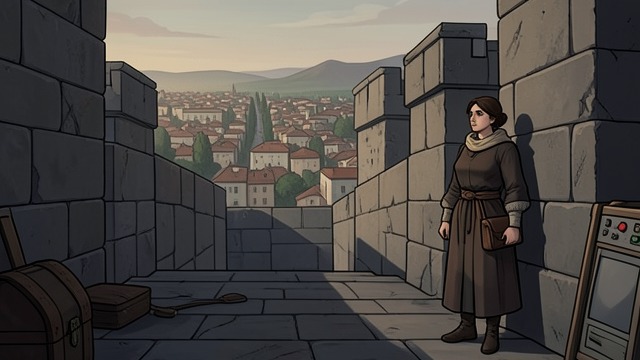
Anna Urbanova argues that Moscow’s geography and political history differ from those of port cities such as Marseille and New York. The Kremlin’s walls still cast a psychological shadow across Russia.
The Latter
She warns that people cannot simply live by cultural longing; they must also face the realities of the society around them. Her perspective challenges the Count without denying his hope.
American Conveniences

The Debate Turns Personal
Anna’s Evidence
Anna points to washing machines, televisions, and other American household devices as conveniences unavailable to most Russians. She sees ordinary comfort as a powerful attraction.
The Count’s Answer
The Count argues that freedom from obligation can itself be a convenience, but he has learned that the inconvenient ties of love matter most. The abstract debate becomes an argument about the lives they chose.
Cultural Exchange at the Hotel
Art Travels Through People
Music and Film
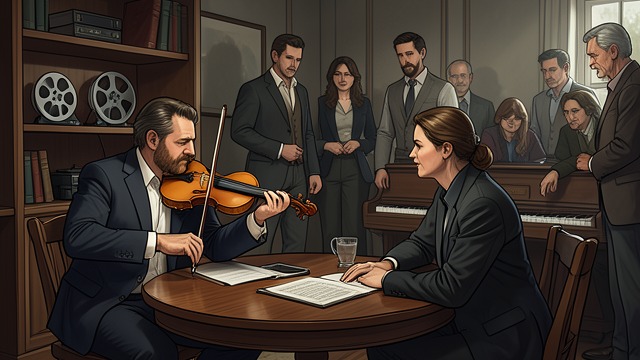
Russian performers play European composers, American visitors seek performances in Moscow, and Hollywood films shape the Count’s conversations with Osip. Culture crosses borders even when governments distrust one another.
Private Channels
The exchanges happen through friendships, restaurants, orchestras, and recordings. The novel presents cultural openness as a human practice that can outlast official hostility.
The Possible Doorway
Hope in Practice
The Embassy Route
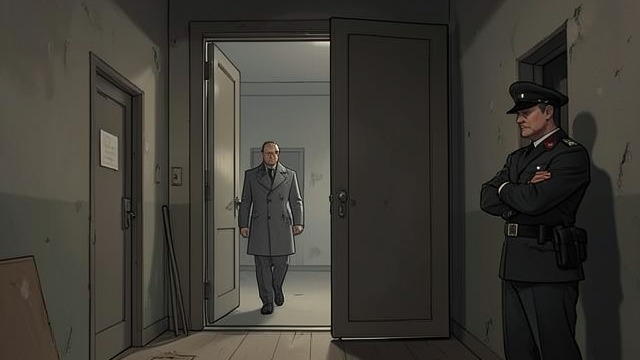
Count Alexander Ilyich Rostov’s plan sends Sofia toward the American Embassy in Paris. The route embodies his belief that the Former remains possible even when the Latter seems dominant.
A Costly Choice
Sofia’s escape requires separation, disguise, and risk. Openness is not an abstract ideal here; it is a difficult passage built from trust and action.
1953
1953
1953
1940s–1950s
June 1954
